First of all, I would like to say that I love what this course is trying to be and much of what it already is. So many things must come together for a class like this to feel unique and worthwhile— the right group of students and an open-minded professor probably being most key. Because these two aspects felt right on target for me this quarter, I pushed aside smaller concerns and complaints along the way. I think you have to be flexible with a discussion-based course on Jerusalem, where the topics can lead anywhere and the syllabus changes almost daily. But now that the discussion has no more time for digression, it’s time to go back and dig out those concerns. I want to focus on a few larger topics of content and structure.
On Blogging.
The nature of the blogosphere leads it to feel very informal and relaxed for writers. In this sense, I had a hard time combining the structured assignments of readings and responses with the very wide open web. I liked the idea that seemed to become more prevalent later in the quarter of preparing questions on readings and bringing them in either for class discussion or the guest speaker of the day. I felt more comfortable bringing up my questions in person, rather than formulating responses to readings I often felt unsure about on my own. Some of the readings were very dense and abstract. I wanted to discuss them in class, but I didn’t actually feel inspired or even capable at times of writing about them publicly.
Another note on blogging. I think what would lend more to blog writing and discussion online is current events. The lack of reading on current news and controversy is something I regret. Armstrong does go through more recent history in her final chapters, but her sweeping review is hardly current. Ten years in Jerusalem is like a century in any other place. For next year, I guess I would like to see the blog turned into a forum for discussion of current events and things outside of class, like the campus events, lectures, Interfaith Dinners, temple visits, etc… A weekly current event article might even be a good assignment for the blog. That way, everyone would want to read each other’s blogs to learn something they might not have caught in the news. Reading other people’s responses to the same things you read and responded to is not as enticing.
On Projects.
I am now feeling a little inspired! What if rather than having one final project, there were two or three smaller projects that comprised most of the grade for the class. I say this partly because I was so overwhelmed with the breadth of the final project and the time I had to complete it on top of other work, but also because I think a few things could really enrich and engage students in the first part of the course. So for the first project, to get everyone moving through Karen Armstrong, divide people into groups and assign each group a section of Armstrong to present and lead in class discussion. Then, for the next project, new groups, and this time presentations and discussion on historical events that have happened only in the last 60 years (i.e. what is covered less in the book). Finally, for the last project, something creative and comprehensive, but not necessarily as daunting as a ten page paper or documentary short. Ok, this is all that can fit in two pages, but there will be more to come I’m sure in class. Thanks for reading!
Sunday, June 8, 2008

Karen Armstrong-- Finally a Glossy Review
"In monotheistic terms, it is idolatry to see a shrine or a city as the ultimate goal of religion" (Karen Armstrong 423).
So it's pretty ridiculous to do a post-post reaction to Karen Armstrong's Jerusalem (silly me!), but thankfully I highlighted her tome along the way. Overall, I think Armstrong gave a fair and balanced historical account, considering where she began and how far she had to go. I do think she seemed to stop short at the end of the book, however, giving much less page space to events in recent history. I guess every student of Jerusalem will be different in their interests, some paying more attention to biblical history, others focusing on present politics. So while I think Armstrong shed a lot of light on historical periods such as the Crusades or the Ottoman rule, she spared too much detail covering the 20th Century. Oh well. One thing I enjoyed from the start was manner of putting very religious concepts into layman's terms, focusing on three aspects affecting each each religion's view of Jerusalem. Regarding the "sacred," the "mythology," and the "symbolism," Armstrong opened readers to the understanding that each historical period, every action must be looked at much more abstractly than the just the literal events.
"At this date, all cities were regarded as holy places, an alien concept for us in the modern West, where the city is often experienced as a godforsaken realm in which religion has an increasingly marginal role. But long before people began to map their world scientifically, they had evolved a sacred geography to define their place in the universe emotionally and spiritually"
(Armstrong 7).
***
What I see as one of the greatest problems...
"Then, as now, there would always be people who preferred the option of devoting their religious energies to sacred space over the more difficult duty of compassion" (Armstrong 66).
Example of the effect this can have: The Crusades
"However holy the city, few of the Franks wanted to live in Jerusalem, now only a shadow of its former self. Most preferred the coastal towns, where life was easier and there were more opportunities for trade and commerce" (Armstrong 277).
However...
"At about the same time in India, Siddhartha Gautama, also known as the Buddha, discovered that it was possible to enter into the ultimate reality by the practice of meditation and compassion: it was no longer essential to walk into a temple or other sacred area to attain this transcendent dimension. In the spirituality of the Axial Age it was sometimes possible to bypass the symbols and experience the sacred in the depths of the self" (Armstrong 89).
***
Looking toward the future of Jerusalem, the "hope" that Armstrong conveys seems to lay in the many examples of communities living relatively successfully together in the city: "In the history of Jerusalem and the Holy Land, Jews, Christians, and Muslims have all found other people in possession. They have all had to cope with the fact that the city and the land have been sacred to other people before them and the integrity of their tenure will depend in large part upon the way they treat their predecessors" (Armstrong 25).
However, she also emphasizes the opposite: "As always the new creation depended upon the destruction of others-- a motif that would frequently recur in the future history of Jerusalem" (Armstrong 31).
Some quotes highlighting her more "hopeful" historical examples of shared space:
"No Bronze Age temple has been unearthed in Jerusalem, but the city's name shows that the inhabitants were also open to Syrian religion" (Armstrong 7).
"Instead of erupting violently into Canaan from the outside, Israel emerged peacefully and gradually from within Canaanite society" (Armstrong 23).
"Thus, David, who was famous for his wholesale slaughter of Philistines and Edomites, may well have been a just and merciful conquerer of Jerusalem. He not only treated the existing inhabitants of the city with respect but even worked closely with them, incorporating them into his own administration" (Armstrong 38-39).
"But Muhammad was also convinced that not all Jews and Christians subscribed to this exclusive sectarianism, and, despite his own desperate struggle with the Jews, he insisted that all his followers must respect (...) those who followed an earlier vision" (Armstrong 220).
"They had been as willing to support the Muslims as they had the Persians, especially since this new form of monotheism was much closer to Judaism than Christianity" (Armstrong 233).
"Saladin had conducted his jihad in accordance with the Qur'anic ideal: he had always granted a truce with the Crusaders had asked for one; he had, for the most part, treated his prisoners fairly and kindly. He had behaved with humanity in the hour of triumph" (Armstrong 295).
"It was an Islamic conquest of Jerusalem that made it possible for Jews to return to their holy city. Umar and Saladin both invited Jews to settle in Jerusalem when they replaced Christian rulers there" (Armstrong 420).
***
But is there hope? The Holy Sepulcher Church is just one example of the intra-religious strife that makes inter-religious peace seem even more distant.
"Christians found it impossible to live together at their holiest shrine (...) the different denominations would take the key in turns to hold services at the tomb, but this frequently led to brawling and incivility" (Armstrong 348).
The future:
"In 1994, 52 percent of the Jewish children under ten in Jerusalem belonged to ultra-Orthodox families" (Armstrong 418).
"Despite romantic myths to the contrary, suffering does not necessarily make us better, nobler people(...) On both sides, attitudes harden after an atrocity, and peace becomes a more distant prospect" (Armstrong 424).
These two parting quotes from Armstrong reveal truths about common misconceptions for the present and future of Jerusalem. 1. Ours and younger generations may not be any less conservative than older generations in their approach to the conflict. 2. The result of tragedy and violence is often vengeance, more tragedy and violence. I find these sentiments interesting coming from Armstrong, who for so many chapters seems to straddle the fence, sometimes seeing good neighbors, and other times seeing bad neighbors. She seems to stray away from the hopeful after all, but then again, it may just be a bad point in a very long history.
So it's pretty ridiculous to do a post-post reaction to Karen Armstrong's Jerusalem (silly me!), but thankfully I highlighted her tome along the way. Overall, I think Armstrong gave a fair and balanced historical account, considering where she began and how far she had to go. I do think she seemed to stop short at the end of the book, however, giving much less page space to events in recent history. I guess every student of Jerusalem will be different in their interests, some paying more attention to biblical history, others focusing on present politics. So while I think Armstrong shed a lot of light on historical periods such as the Crusades or the Ottoman rule, she spared too much detail covering the 20th Century. Oh well. One thing I enjoyed from the start was manner of putting very religious concepts into layman's terms, focusing on three aspects affecting each each religion's view of Jerusalem. Regarding the "sacred," the "mythology," and the "symbolism," Armstrong opened readers to the understanding that each historical period, every action must be looked at much more abstractly than the just the literal events.
"At this date, all cities were regarded as holy places, an alien concept for us in the modern West, where the city is often experienced as a godforsaken realm in which religion has an increasingly marginal role. But long before people began to map their world scientifically, they had evolved a sacred geography to define their place in the universe emotionally and spiritually"
(Armstrong 7).
***
What I see as one of the greatest problems...
"Then, as now, there would always be people who preferred the option of devoting their religious energies to sacred space over the more difficult duty of compassion" (Armstrong 66).
Example of the effect this can have: The Crusades
"However holy the city, few of the Franks wanted to live in Jerusalem, now only a shadow of its former self. Most preferred the coastal towns, where life was easier and there were more opportunities for trade and commerce" (Armstrong 277).
However...
"At about the same time in India, Siddhartha Gautama, also known as the Buddha, discovered that it was possible to enter into the ultimate reality by the practice of meditation and compassion: it was no longer essential to walk into a temple or other sacred area to attain this transcendent dimension. In the spirituality of the Axial Age it was sometimes possible to bypass the symbols and experience the sacred in the depths of the self" (Armstrong 89).
***
Looking toward the future of Jerusalem, the "hope" that Armstrong conveys seems to lay in the many examples of communities living relatively successfully together in the city: "In the history of Jerusalem and the Holy Land, Jews, Christians, and Muslims have all found other people in possession. They have all had to cope with the fact that the city and the land have been sacred to other people before them and the integrity of their tenure will depend in large part upon the way they treat their predecessors" (Armstrong 25).
However, she also emphasizes the opposite: "As always the new creation depended upon the destruction of others-- a motif that would frequently recur in the future history of Jerusalem" (Armstrong 31).
Some quotes highlighting her more "hopeful" historical examples of shared space:
"No Bronze Age temple has been unearthed in Jerusalem, but the city's name shows that the inhabitants were also open to Syrian religion" (Armstrong 7).
"Instead of erupting violently into Canaan from the outside, Israel emerged peacefully and gradually from within Canaanite society" (Armstrong 23).
"Thus, David, who was famous for his wholesale slaughter of Philistines and Edomites, may well have been a just and merciful conquerer of Jerusalem. He not only treated the existing inhabitants of the city with respect but even worked closely with them, incorporating them into his own administration" (Armstrong 38-39).
"But Muhammad was also convinced that not all Jews and Christians subscribed to this exclusive sectarianism, and, despite his own desperate struggle with the Jews, he insisted that all his followers must respect (...) those who followed an earlier vision" (Armstrong 220).
"They had been as willing to support the Muslims as they had the Persians, especially since this new form of monotheism was much closer to Judaism than Christianity" (Armstrong 233).
"Saladin had conducted his jihad in accordance with the Qur'anic ideal: he had always granted a truce with the Crusaders had asked for one; he had, for the most part, treated his prisoners fairly and kindly. He had behaved with humanity in the hour of triumph" (Armstrong 295).
"It was an Islamic conquest of Jerusalem that made it possible for Jews to return to their holy city. Umar and Saladin both invited Jews to settle in Jerusalem when they replaced Christian rulers there" (Armstrong 420).
***
But is there hope? The Holy Sepulcher Church is just one example of the intra-religious strife that makes inter-religious peace seem even more distant.
"Christians found it impossible to live together at their holiest shrine (...) the different denominations would take the key in turns to hold services at the tomb, but this frequently led to brawling and incivility" (Armstrong 348).
The future:
"In 1994, 52 percent of the Jewish children under ten in Jerusalem belonged to ultra-Orthodox families" (Armstrong 418).
"Despite romantic myths to the contrary, suffering does not necessarily make us better, nobler people(...) On both sides, attitudes harden after an atrocity, and peace becomes a more distant prospect" (Armstrong 424).
These two parting quotes from Armstrong reveal truths about common misconceptions for the present and future of Jerusalem. 1. Ours and younger generations may not be any less conservative than older generations in their approach to the conflict. 2. The result of tragedy and violence is often vengeance, more tragedy and violence. I find these sentiments interesting coming from Armstrong, who for so many chapters seems to straddle the fence, sometimes seeing good neighbors, and other times seeing bad neighbors. She seems to stray away from the hopeful after all, but then again, it may just be a bad point in a very long history.
Monday, June 2, 2008
Dr. Mueller readings and visit-May 20, 2008
A nice switch to current affairs, with the simultaneous commemoration and celebration of 60 years as the backdrop for today's discussion. Dr. Mueller offered a non-religious approach to the situation which, after so much religious concern and debate, seemed at times a little quixotic (i.e. The solution begins by taking religion out of the equation...). Nevertheless, his ideas on Israel, Iraq, and even existentialism in America were refreshing.
Some questions I had after the readings and throughout class:
- What is the central battle of our generation, if not terrorism?
- Why wasn't the war two summers ago a defeat for Israel?
- What percentage of Israel's manpower is devoted to security?
- Is Israel's economic and political "success" after sixty years self-made? Largely due to American investment and support?
Some interesting points brought up by el doctor.
- ROMANTICISM is worse than RADICALISM
-"God gave me this land" or "Let's go back to 1948"
- Israel is facing an existential crisis from Jews leaving the country.
-The people most likely to leave are the moderates, which only polarizes the population.
- The human response: "I don't think I want my kids growing up in this country."
- If Arabs were out of the picture, Jews would be fighting themselves in a civil war.
-Settlers as "sociopaths"
- In the Book of Joshua, Battle of Jericho, God permits genocide.
- Principle of government: Once people get into power, they become fairly reasonable.
- Negotiations in Israel are analogous to a labor union... In this way "the fact that you think what the other guy says is trivial is irrelevant." You have to move past that initial reaction to get anywhere.
Some questions I had after the readings and throughout class:
- What is the central battle of our generation, if not terrorism?
- Why wasn't the war two summers ago a defeat for Israel?
- What percentage of Israel's manpower is devoted to security?
- Is Israel's economic and political "success" after sixty years self-made? Largely due to American investment and support?
Some interesting points brought up by el doctor.
- ROMANTICISM is worse than RADICALISM
-"God gave me this land" or "Let's go back to 1948"
- Israel is facing an existential crisis from Jews leaving the country.
-The people most likely to leave are the moderates, which only polarizes the population.
- The human response: "I don't think I want my kids growing up in this country."
- If Arabs were out of the picture, Jews would be fighting themselves in a civil war.
-Settlers as "sociopaths"
- In the Book of Joshua, Battle of Jericho, God permits genocide.
- Principle of government: Once people get into power, they become fairly reasonable.
- Negotiations in Israel are analogous to a labor union... In this way "the fact that you think what the other guy says is trivial is irrelevant." You have to move past that initial reaction to get anywhere.
Dr. Klein- May 22, 2008 Video Conference
Some of the thoughts expressed by Dr. Klein in our conference:
-Demographic considerations have shaped Israeli policy in East Jerusalem since 1967.
-However, annexation actually increased Palestinian presence in East Jerusalem.
-Looking purely at numbers, Jerusalem is the only place where Israel has succeeded.
-There are currently only half a million settlers in Gaza and the West Bank. Israel had hoped for twice as many.
-Israel has an ethnically-based nationality
-The individual is not the basis of identity, the collective "we" (the Jewish
entity) is.
-Regarding the prospect of economic peacemaking, there is currently no enterprise between Jewish and Arab business owners.
-Arabs mainly work in service industries.
-"Palestinians don't have anything BUT terrorism to put pressure on Israel."
-Regarding the ability of grassroots peace building: "Peace between people will have to come after peace between governments or elites."
-Finally, regarding the role of America: Americans cannot force a peace treaty on both sides, but there needs to be an American mediator in the process.
-Demographic considerations have shaped Israeli policy in East Jerusalem since 1967.
-However, annexation actually increased Palestinian presence in East Jerusalem.
-Looking purely at numbers, Jerusalem is the only place where Israel has succeeded.
-There are currently only half a million settlers in Gaza and the West Bank. Israel had hoped for twice as many.
-Israel has an ethnically-based nationality
-The individual is not the basis of identity, the collective "we" (the Jewish
entity) is.
-Regarding the prospect of economic peacemaking, there is currently no enterprise between Jewish and Arab business owners.
-Arabs mainly work in service industries.
-"Palestinians don't have anything BUT terrorism to put pressure on Israel."
-Regarding the ability of grassroots peace building: "Peace between people will have to come after peace between governments or elites."
-Finally, regarding the role of America: Americans cannot force a peace treaty on both sides, but there needs to be an American mediator in the process.
This Past Week
This last week of final project presentations did a few things for me. First, it affirmed my contempt for technology and all things related. Second, it renewed my faith in people. Regarding technology, I could digress for a while. Instead, I want to talk about some of the wonderful and surprising things I learned that machines cannot and hopefully will never do.
1. Fend off the Flu
I don't care what the Scientific American Journal says, blogging does not help reduce the symptoms of a cold! When Abdul Rahman referred to this in class, I pictured the editorial cartoon: a sniffling schlub staring at a laptop, sitting at his desk in a dark room. Meanwhile, outside the sun is shining, people are interacting, exercising even. I realize this is a stretch, and people can very easily sit outside, be social, and blog all at the same time. But really? Blogging? Anyway, Abdul Rahman's presentation, like his work the rest of the quarter, was a thoughtful, comprehensive, and surprisingly comprehensible look into the blogosphere that we've all been warming up to (or avoiding) over the past few months.
2. Do horrible accents
Was that supposed to be French? Brazilian? Despite their acting abilities, Josh and Ben's presentation on 242 was an insightful and thorough examination of the history behind the highly contended resolution, and more broadly, of the power of words. While iMovie and PowerPoint did come together nicely for the visual presentation, my favorite part was the simple parable and the final, spoken image of scattered feathers. Whatever the cliche about pictures and words, I tend to think the opposite.
3. Speak like a child
So many things to say about Ghada, Chris and Lindsay's presentation... about music and imagery, editing and crafting. But I want to stick with the most simple and non-technological: the kids. What a great way to end a project that started with bitter fifty-year-olds and continued with disillusioned twenty-year-olds-- by ending with hopeful five-year-olds and their profound one-word answers to interview questions that we would sit and cringe over. Do you have Jewish and Christian friends? Yes. Are they different from you at all? No. Of course, all that will change eventually, but isn't it nice to know it exists somewhere?
Kudos, friends. Projects well done.
1. Fend off the Flu
I don't care what the Scientific American Journal says, blogging does not help reduce the symptoms of a cold! When Abdul Rahman referred to this in class, I pictured the editorial cartoon: a sniffling schlub staring at a laptop, sitting at his desk in a dark room. Meanwhile, outside the sun is shining, people are interacting, exercising even. I realize this is a stretch, and people can very easily sit outside, be social, and blog all at the same time. But really? Blogging? Anyway, Abdul Rahman's presentation, like his work the rest of the quarter, was a thoughtful, comprehensive, and surprisingly comprehensible look into the blogosphere that we've all been warming up to (or avoiding) over the past few months.
2. Do horrible accents
Was that supposed to be French? Brazilian? Despite their acting abilities, Josh and Ben's presentation on 242 was an insightful and thorough examination of the history behind the highly contended resolution, and more broadly, of the power of words. While iMovie and PowerPoint did come together nicely for the visual presentation, my favorite part was the simple parable and the final, spoken image of scattered feathers. Whatever the cliche about pictures and words, I tend to think the opposite.
3. Speak like a child
So many things to say about Ghada, Chris and Lindsay's presentation... about music and imagery, editing and crafting. But I want to stick with the most simple and non-technological: the kids. What a great way to end a project that started with bitter fifty-year-olds and continued with disillusioned twenty-year-olds-- by ending with hopeful five-year-olds and their profound one-word answers to interview questions that we would sit and cringe over. Do you have Jewish and Christian friends? Yes. Are they different from you at all? No. Of course, all that will change eventually, but isn't it nice to know it exists somewhere?
Kudos, friends. Projects well done.
Wednesday, May 7, 2008
Environmental Stewardship
An email recently sent to me by a dear friend... thought you all might be interested
Subject: Help Me Support Israel (Notice language)
"Friends!!
At the end of this month I will be participating in a 300 mile week long bike ride in Israel to support an INCREDIBLE organization, The Arava Institute for Environmental Studies. The Arava Institute is a training center for environmental leadership, with students from Israel, Palestine, Jordan, Egypt, and the rest of the world. By encouraging environmental cooperation between peoples, the Arava Institute is working towards peace and sustainable development on a regional and global scale.
This organization has become especially meaningful to me due to my older sister, Abra's, involvement in it. She attended and graduated from the Institute last year and is now dedicating herself to environmental awareness and cooperative efforts among peoples and countries in the Middle East.
My fund raising goal for the bike ride is $3600.00. I would SOOO appreciate ANY contribution you could make, no matter the amount!
Here is the link to my quick-and-easy personal fund raising page:
https://www.kintera.org/faf/donorReg/donorPledge.asp?ievent=250598&lis=1&supId=200770043
I don't want to go into too much detail in this letter (long emails are the worst) - but please call me or email me if you have ANY questions, or would like more information about the Arava Institute or the bike ride.
I cannot tell you what your support means to me - THANK YOU!!"
-----------------------------------------------------------
Has anyone heard of this?
Visit the Arava Institute's webpage at www.arava.org to see for yourself what the project is doing.
Subject: Help Me Support Israel (Notice language)
"Friends!!
At the end of this month I will be participating in a 300 mile week long bike ride in Israel to support an INCREDIBLE organization, The Arava Institute for Environmental Studies. The Arava Institute is a training center for environmental leadership, with students from Israel, Palestine, Jordan, Egypt, and the rest of the world. By encouraging environmental cooperation between peoples, the Arava Institute is working towards peace and sustainable development on a regional and global scale.
This organization has become especially meaningful to me due to my older sister, Abra's, involvement in it. She attended and graduated from the Institute last year and is now dedicating herself to environmental awareness and cooperative efforts among peoples and countries in the Middle East.
My fund raising goal for the bike ride is $3600.00. I would SOOO appreciate ANY contribution you could make, no matter the amount!
Here is the link to my quick-and-easy personal fund raising page:
https://www.kintera.org/faf/donorReg/donorPledge.asp?ievent=250598&lis=1&supId=200770043
I don't want to go into too much detail in this letter (long emails are the worst) - but please call me or email me if you have ANY questions, or would like more information about the Arava Institute or the bike ride.
I cannot tell you what your support means to me - THANK YOU!!"
-----------------------------------------------------------
Has anyone heard of this?
Visit the Arava Institute's webpage at www.arava.org to see for yourself what the project is doing.
Tuesday, May 6, 2008
Final Project
with Jaime Gusching
I. Presentation
a. Multimedia Video Presentation
b. Utilizing Technology expertise of Rebecca Bias
1. Digital Video Recording Equipment Rental from OIT in Central Classrooms’ basement
a. Firewire for digitizing video
b. Mini DV cartridge
2. Editing with Window Movie Maker available in 159 Hagerty Hall
a. Thursday’s tutorial on from 1:30-2:30pm
b. Music: Eric Whitacre's Five Hebrew Love Songs, Muslim and Christian folk music.
II. Topic
a. Comparative Religions: Parallels and Differences Three Monotheistic Faiths
b. Comparing meal preparation between Judaism, Islam, and Christianity
1. Foods prepared especially for feast days
a. Interviewing interfaith dinner project participants
b. Recording the processes of dinner preparation
c. Dr. Jalil and Dr. Hosansky, Muslim and Jewish coordinators of the dinner project.
2. Specifically the different types of Bread and their religious and symbolic significance
a. Include Representation for Christianity
i. Explore the symbolic role of bread in Protestant Christian Churches
ii. Newman Center bakes their own bread to be consecrated during Catholic Masses
I. Presentation
a. Multimedia Video Presentation
b. Utilizing Technology expertise of Rebecca Bias
1. Digital Video Recording Equipment Rental from OIT in Central Classrooms’ basement
a. Firewire for digitizing video
b. Mini DV cartridge
2. Editing with Window Movie Maker available in 159 Hagerty Hall
a. Thursday’s tutorial on from 1:30-2:30pm
b. Music: Eric Whitacre's Five Hebrew Love Songs, Muslim and Christian folk music.
II. Topic
a. Comparative Religions: Parallels and Differences Three Monotheistic Faiths
b. Comparing meal preparation between Judaism, Islam, and Christianity
1. Foods prepared especially for feast days
a. Interviewing interfaith dinner project participants
b. Recording the processes of dinner preparation
c. Dr. Jalil and Dr. Hosansky, Muslim and Jewish coordinators of the dinner project.
2. Specifically the different types of Bread and their religious and symbolic significance
a. Include Representation for Christianity
i. Explore the symbolic role of bread in Protestant Christian Churches
ii. Newman Center bakes their own bread to be consecrated during Catholic Masses
Monday, May 5, 2008
Food for Thought
Tonight as I was eating a slice of homemade pound cake, layered with fresh-cut strawberries and a scoop of vanilla ice cream, I was told to enjoy the food I eat. Ok, easy enough. The message went a little deeper, though. When we first sat down in a cozy meeting room of the Covenant Presbyterian Church to start our interfaith dinner, one of the Christian hosts for the evening described the menu: vegetarian lasagna, salad, garlic bread, ice cream, and finally the cake. This last course was a family recipe of hers, a vivid memory from childhood passed down by her grandmother. With the anecdote she encouraged our own dinner discussion of personal "food memories" and introduced the theme for this evening.
So for the next hour the seven women at my table ate, talked, and laughed food. We didn't have any grand theological or political discussions, but by the end of the meal I knew that a Jewish woman makes Challah-french toast for her family on Sundays, and a Muslim woman delights in the scent of baking cookies during Ramadan.
Now these religious stories I could relate to. In my family (and this probably reveals too much about my family) religion has always been synonymous with food. In fact, when my mom found out this year that I was planning to go out of town for Easter she paused for a moment, considered the implications, and responded accordingly:
"Well I guess I have already made ham for dinner recently, we won't be missing much." I couldn't help but laugh, because she was right. As I searched my own bank of religious events, holidays, and ceremonies, I realized their menus were the easiest memories to grasp. Chrstmas... cookies. Shabbat... challah. Easter... honey-baked ham. Passover... haroset. Bar and Bat Mitzvahs... those yummy little peanut butter/chocolate treats... what were those called? Anyway, I know this association is ridiculous, but it's gnawing at something deeper.
The main course of the evening was a sort of after-dinner sermon on the importance of food in the three faiths and in life. The woman who baked the delicious pound cake, though, had put more into it than a half-pound of butter, so I intended to get more out of it than a pleasant belly ache. She said that food, in all three religions, was something not just to be deprived from, it was something to delight in, to spend time preparing, and to enjoy eating. She understood this later in life, after her husband left and her kids grew up and she stood in the kitchen alone asking only herself, "What do I want to eat tonight?" She said it was an awakening.
Perhaps like the "scraps" we throw away after dinner, the meat we farm and grind and ship, and the snacks we can never have enough of in the cupboard, we take our religious sustenance for granted as well. After all, we had all come together on this night with empty stomachs, we had joined over a meal, and we had learned about each other through stories of food. The dinner was not only substance, it was a symbol.
"You know some people have trouble understanding the practice of communion," a minister said later, "but it is really just based on the acts of Jesus, getting together with friends, enjoying food, asking them to remember him by it."
So for the next hour the seven women at my table ate, talked, and laughed food. We didn't have any grand theological or political discussions, but by the end of the meal I knew that a Jewish woman makes Challah-french toast for her family on Sundays, and a Muslim woman delights in the scent of baking cookies during Ramadan.
Now these religious stories I could relate to. In my family (and this probably reveals too much about my family) religion has always been synonymous with food. In fact, when my mom found out this year that I was planning to go out of town for Easter she paused for a moment, considered the implications, and responded accordingly:
"Well I guess I have already made ham for dinner recently, we won't be missing much." I couldn't help but laugh, because she was right. As I searched my own bank of religious events, holidays, and ceremonies, I realized their menus were the easiest memories to grasp. Chrstmas... cookies. Shabbat... challah. Easter... honey-baked ham. Passover... haroset. Bar and Bat Mitzvahs... those yummy little peanut butter/chocolate treats... what were those called? Anyway, I know this association is ridiculous, but it's gnawing at something deeper.
The main course of the evening was a sort of after-dinner sermon on the importance of food in the three faiths and in life. The woman who baked the delicious pound cake, though, had put more into it than a half-pound of butter, so I intended to get more out of it than a pleasant belly ache. She said that food, in all three religions, was something not just to be deprived from, it was something to delight in, to spend time preparing, and to enjoy eating. She understood this later in life, after her husband left and her kids grew up and she stood in the kitchen alone asking only herself, "What do I want to eat tonight?" She said it was an awakening.
Perhaps like the "scraps" we throw away after dinner, the meat we farm and grind and ship, and the snacks we can never have enough of in the cupboard, we take our religious sustenance for granted as well. After all, we had all come together on this night with empty stomachs, we had joined over a meal, and we had learned about each other through stories of food. The dinner was not only substance, it was a symbol.
"You know some people have trouble understanding the practice of communion," a minister said later, "but it is really just based on the acts of Jesus, getting together with friends, enjoying food, asking them to remember him by it."
Tuesday, April 29, 2008
A Nation Divided
Here are a few passages from The Atlantic article posted by Ben earlier this week. The article is really interesting and shows how split Israelis are... but since people may not have time to read it all, I copied below some of the stronger indicative statements and discussion points. Read on!
"Some of the questions forming in my mind were too indecent to ask a grieving father like David Grossman. But I asked him whether he believed that Zionism has succeeded in its mission. I framed the question impersonally, though I had been struck by what to me was an inescapable truth: if Uri Grossman had been born to Jews in America, rather than to Jews in Israel, in 2006 he most likely would have been a student at Harvard or Michigan or Stanford, rather than a commander in the Armored Corps of the Israel Defense Forces. The underlying premise of the creation of the state of Israel—its main mission—was to provide a refuge for the Jewish people in their historic homeland. One of the many contradictions Israel faces in its seventh decade of independence is this: it is a country that is safe for Judaism, but not for Jews."
"If you see the tendencies of fanaticism, the way in which at every crossroads both sides almost always choose the more violent approach, if you see the fact that other religions, parts of the West, never really accept the idea of Israel … It means something deep about us (and even more about everyone else), about Judaism and the state that we are still in, after 60 years of sovereignty—we have not accomplished statehood, the realization that this is a legitimate state. And we have a lack of confidence in our own existence. We also don’t really believe in our own existence. We have the formal symptoms of a normal state, but we still do not believe we are a state. Throughout history we were regarded, and we regarded ourselves, as a larger-than-life story, since the time of the Bible. We’re a story that other nations read and borrow. But if you are a story, you can end.”
-David Grossman
“In 1948, we achieved independence with a divided Jerusalem, with the parts of Jerusalem that were the essential ingredients of the collective Jewish memory and something that we yearned for, for thousands of years, not in our hands. In 1967 came the fulfillment, finally, of all the dreams of thousands of years by reaching the territories which are more intimately linked to Jewish history than anything else, particularly Jerusalem. So how can you wonder why we didn’t have the emotional power to restrain ourselves from wanting to realize the fulfillment of our dreams? It took us time to grasp the full complexity of the situation. But how can you wonder, at the beginning, why we had this enthusiasm?”
-Prime Minister Ehud Olmert
“Democracy is not a value for us. Justice is a value, and fairness, but not democracy. In the Book of Exodus, it says that the Jews shall be a kingdom of priests and a holy nation. It does not talk about democracy.” The Arabs who live in biblical Israel, he said, can either choose “to get along with us, to live peacefully, or to leave.”
-Settlement leader in the West Bank
The one-state solution—the dissolution of Israel and the merging of the Jewish and Arab populations—is neither practicable nor, from the Israeli perspective, desirable. (In the 1940s, many Jewish thinkers endorsed the idea of binationalism, but the idea was rejected by the Arabs.) In any case, the dismantling of Israel as a Jewish state would, of course, demand the agreement of Israel’s Jews, who, for manifold reasons, would not want to live in a state dominated by Arabs. “I’ll make a prediction that Israel will not commit suicide,” Yehezkel Dror, the head of the Jewish People Policy Planning Institute and a political scientist at Hebrew University, told me.
***
David Grossman, like most of Israel’s leftists, sees binationalism as simultaneously utopian and dismissive of Jewish feelings. “You know, binationalism doesn’t work in so many places in the world,” he said. “You see it in Belgium now. And they expect, with this really hateful combination of Jews and Arabs, that it will succeed here? It’s so wrong. Part of the cure for the historical distortions of both peoples is that they need a place of their own with defined borders. We have to heal separately. I’m a little suspicious of these people who would experiment on us with binationalism.”
Reality, he said, has made a Jewish state necessary. “Since the world has failed to defend Jewish existence, there is a need for a place for the Jews to implement their culture and their values and their language and their history, a place in which to recover.”
But what if Israel’s neighbors never give its Jews a chance to recover from history?
***
Only by closing outposts and dismantling settlements can Israeli leaders help the Palestinian moderates, and themselves. When I asked Olmert why he argues for an Israeli withdrawal from Palestinian territory but allows the expansion of existing settlements and the continued existence of illegal outposts, he barked, “I dismantled Amona!” Amona is the outpost that came down in February 2006. “That was the most traumatic event, even more than the disengagement from Gaza. It was very violent.”
Not one outpost has been dismantled since Amona was closed, and none seems slated for impending disappearance. This is the core of Grossman’s criticism of Olmert. The prime minister, in his view, is a skilled rhetorician but a political coward, one who speaks the language of reconciliation but whose actions in Lebanon, and in Gaza, suggest something else.
"Some of the questions forming in my mind were too indecent to ask a grieving father like David Grossman. But I asked him whether he believed that Zionism has succeeded in its mission. I framed the question impersonally, though I had been struck by what to me was an inescapable truth: if Uri Grossman had been born to Jews in America, rather than to Jews in Israel, in 2006 he most likely would have been a student at Harvard or Michigan or Stanford, rather than a commander in the Armored Corps of the Israel Defense Forces. The underlying premise of the creation of the state of Israel—its main mission—was to provide a refuge for the Jewish people in their historic homeland. One of the many contradictions Israel faces in its seventh decade of independence is this: it is a country that is safe for Judaism, but not for Jews."
"If you see the tendencies of fanaticism, the way in which at every crossroads both sides almost always choose the more violent approach, if you see the fact that other religions, parts of the West, never really accept the idea of Israel … It means something deep about us (and even more about everyone else), about Judaism and the state that we are still in, after 60 years of sovereignty—we have not accomplished statehood, the realization that this is a legitimate state. And we have a lack of confidence in our own existence. We also don’t really believe in our own existence. We have the formal symptoms of a normal state, but we still do not believe we are a state. Throughout history we were regarded, and we regarded ourselves, as a larger-than-life story, since the time of the Bible. We’re a story that other nations read and borrow. But if you are a story, you can end.”
-David Grossman
“In 1948, we achieved independence with a divided Jerusalem, with the parts of Jerusalem that were the essential ingredients of the collective Jewish memory and something that we yearned for, for thousands of years, not in our hands. In 1967 came the fulfillment, finally, of all the dreams of thousands of years by reaching the territories which are more intimately linked to Jewish history than anything else, particularly Jerusalem. So how can you wonder why we didn’t have the emotional power to restrain ourselves from wanting to realize the fulfillment of our dreams? It took us time to grasp the full complexity of the situation. But how can you wonder, at the beginning, why we had this enthusiasm?”
-Prime Minister Ehud Olmert
“Democracy is not a value for us. Justice is a value, and fairness, but not democracy. In the Book of Exodus, it says that the Jews shall be a kingdom of priests and a holy nation. It does not talk about democracy.” The Arabs who live in biblical Israel, he said, can either choose “to get along with us, to live peacefully, or to leave.”
-Settlement leader in the West Bank
The one-state solution—the dissolution of Israel and the merging of the Jewish and Arab populations—is neither practicable nor, from the Israeli perspective, desirable. (In the 1940s, many Jewish thinkers endorsed the idea of binationalism, but the idea was rejected by the Arabs.) In any case, the dismantling of Israel as a Jewish state would, of course, demand the agreement of Israel’s Jews, who, for manifold reasons, would not want to live in a state dominated by Arabs. “I’ll make a prediction that Israel will not commit suicide,” Yehezkel Dror, the head of the Jewish People Policy Planning Institute and a political scientist at Hebrew University, told me.
***
David Grossman, like most of Israel’s leftists, sees binationalism as simultaneously utopian and dismissive of Jewish feelings. “You know, binationalism doesn’t work in so many places in the world,” he said. “You see it in Belgium now. And they expect, with this really hateful combination of Jews and Arabs, that it will succeed here? It’s so wrong. Part of the cure for the historical distortions of both peoples is that they need a place of their own with defined borders. We have to heal separately. I’m a little suspicious of these people who would experiment on us with binationalism.”
Reality, he said, has made a Jewish state necessary. “Since the world has failed to defend Jewish existence, there is a need for a place for the Jews to implement their culture and their values and their language and their history, a place in which to recover.”
But what if Israel’s neighbors never give its Jews a chance to recover from history?
***
Only by closing outposts and dismantling settlements can Israeli leaders help the Palestinian moderates, and themselves. When I asked Olmert why he argues for an Israeli withdrawal from Palestinian territory but allows the expansion of existing settlements and the continued existence of illegal outposts, he barked, “I dismantled Amona!” Amona is the outpost that came down in February 2006. “That was the most traumatic event, even more than the disengagement from Gaza. It was very violent.”
Not one outpost has been dismantled since Amona was closed, and none seems slated for impending disappearance. This is the core of Grossman’s criticism of Olmert. The prime minister, in his view, is a skilled rhetorician but a political coward, one who speaks the language of reconciliation but whose actions in Lebanon, and in Gaza, suggest something else.
Thursday, April 24, 2008
Who Needs Monogamy? And other fun questions posed by women
"Women of flesh and blood also deserve to be loved with less possessiveness and more equality. However, Jerusalem is not a woman. It is a city with a long, long history, in which many peoples have lived and many cultures have teemed. So developed the special character of the city. Whoever is in charge of it should see her/himself as small enough in the perspective of the continuum of the city's history, instead of projecting his (or rarely, her) megalomanic dreams striving for eternity."
-- Hasan-Rokem 54
" " 'Antar is a bitch," said Dr. Hisham with great disappointment.
"You mean she is a female," I tried to correct him.
"That's what I meant," said Dr. Hisham.
"So...?" I said in an irritated, high-pitched voice.
"Do you really want to waste a thirty-dollar vaccine on a baladi bitch?" "
--Amiry 111
"Soon I had a huge collection of books on dogs: All You Want to Know About Your Dog, Admit Sleeping with Your Dog, Loving Your Dog More than Your Husband, Can My Dog Become My Heir?, Cheating on Your Dog, What Breed Is Your Dog? My latest books was Growing Up with a Lesbian Master.
I also subscribed to Bitch magazine."
--Amiry 112
Ok, I just thought that last excerpt from Amiry's Sharon and My Mother-in-Law was really funny. The other two excerpts above, though, get at something deeper in the themes of our discussions. In their very different styles, Hasan-Rokem and Amiry both point out a general misogyny that underlies both Israeli and Palestinian cultures, offering an alternative to the religious and ethnic explanations for dispute-- gender. Now this isn't the first time I've heard sexist applied generally to men from this region (I've actually heard it a lot), but it is the first time I've heard the term extended to encompass a desire to control the land. Hasan-Rokem urges Jerusalemites to be "less blinded by frustrated emotional needs, which can perhaps be better filled in the company of real men and women..." (55). In a sense she asks the city and its inhabitants to accept polygamy and share responsibility. What religions are we dealing with, anyway?
-- Hasan-Rokem 54
" " 'Antar is a bitch," said Dr. Hisham with great disappointment.
"You mean she is a female," I tried to correct him.
"That's what I meant," said Dr. Hisham.
"So...?" I said in an irritated, high-pitched voice.
"Do you really want to waste a thirty-dollar vaccine on a baladi bitch?" "
--Amiry 111
"Soon I had a huge collection of books on dogs: All You Want to Know About Your Dog, Admit Sleeping with Your Dog, Loving Your Dog More than Your Husband, Can My Dog Become My Heir?, Cheating on Your Dog, What Breed Is Your Dog? My latest books was Growing Up with a Lesbian Master.
I also subscribed to Bitch magazine."
--Amiry 112
Ok, I just thought that last excerpt from Amiry's Sharon and My Mother-in-Law was really funny. The other two excerpts above, though, get at something deeper in the themes of our discussions. In their very different styles, Hasan-Rokem and Amiry both point out a general misogyny that underlies both Israeli and Palestinian cultures, offering an alternative to the religious and ethnic explanations for dispute-- gender. Now this isn't the first time I've heard sexist applied generally to men from this region (I've actually heard it a lot), but it is the first time I've heard the term extended to encompass a desire to control the land. Hasan-Rokem urges Jerusalemites to be "less blinded by frustrated emotional needs, which can perhaps be better filled in the company of real men and women..." (55). In a sense she asks the city and its inhabitants to accept polygamy and share responsibility. What religions are we dealing with, anyway?
Tuesday, April 22, 2008
A Note on Generalizations
I got to thinking about generalizations about two cups of wine into Saturday night... at the Passover Seder. There is always a good laugh around this time of the evening when the leader of the Seder calls upon each of the "four children" (wise, wicked, simple, and the one who does not know to ask) to question the meaning of Passover in his own way. In this case, my friend's dad called on her older brother first-- "Chad, tell us, what does the wicked child ask?" And so on and so forth.
Now I think I know what the Haggadah (the book used at Passover, describing the Exodus) is getting at with this generalization. Passover is a time of remembrance for older generations, and it is a time of learning for younger ones. This practice of phrasing the question "What is the meaning of Passover?" in four different ways is an exercise in patience and understanding. Children should be encouraged to come into their faith, challenge their faith, and trust their faith, and they should be able to do so in their own individual way.
So in theory I think I understand the lesson. But c'mon, wise, wicked, simple, and stupid? My friend's family uses a customized Haggadah, and on this subject it branched from the old four-child generalization, noting that children are at once all of these characteristics and more. Even the most intelligent child will be left without words. Even the most wicked will be moved to tears.
I guess I have a few points with this story. One is that generalizing is an artifice of ALL story telling, be it religious or secular, Rav Amram Gaon or Karen Armstrong. Another is that we should take this lesson and apply it to each other in class. Of course this is much easier sitting around a dinner table with family, food, and four cups of wine. But I hope that at some point in the discussion we will all allow each other to be every one of the four children, at one point humbled, at one point enlightened.
Now I think I know what the Haggadah (the book used at Passover, describing the Exodus) is getting at with this generalization. Passover is a time of remembrance for older generations, and it is a time of learning for younger ones. This practice of phrasing the question "What is the meaning of Passover?" in four different ways is an exercise in patience and understanding. Children should be encouraged to come into their faith, challenge their faith, and trust their faith, and they should be able to do so in their own individual way.
So in theory I think I understand the lesson. But c'mon, wise, wicked, simple, and stupid? My friend's family uses a customized Haggadah, and on this subject it branched from the old four-child generalization, noting that children are at once all of these characteristics and more. Even the most intelligent child will be left without words. Even the most wicked will be moved to tears.
I guess I have a few points with this story. One is that generalizing is an artifice of ALL story telling, be it religious or secular, Rav Amram Gaon or Karen Armstrong. Another is that we should take this lesson and apply it to each other in class. Of course this is much easier sitting around a dinner table with family, food, and four cups of wine. But I hope that at some point in the discussion we will all allow each other to be every one of the four children, at one point humbled, at one point enlightened.
Tuesday, April 8, 2008
Can we talk about this?
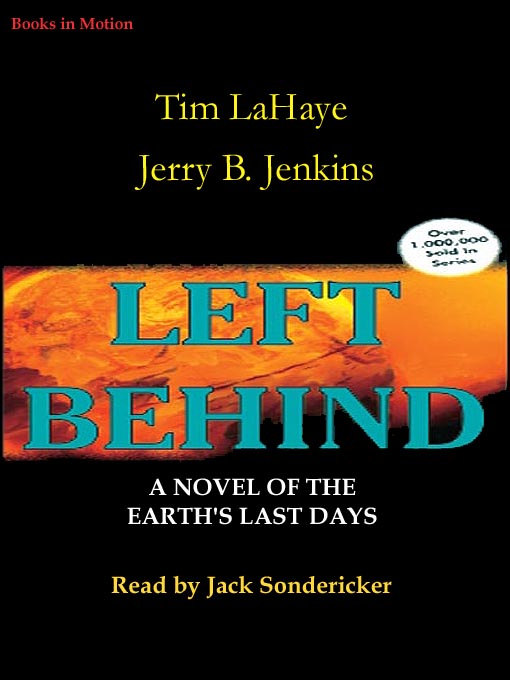
From the preface to Karen Armstrong's Jerusalem:
"In the United States, the Christian Right has also hardened its position. They have long believed that the final battle of Armageddon will be fought outside the city, and that Jews must be present in the Holy Land in order to fulfill the ancient prophecies (even though all unbaptised Jews will be massacred by the Antichrist). During the Cold War, Christian fundamentalists regarded the Soviet Union as the Antichrist; since September 11, they have come to believe that Islam will fulfill this role. Their apocalyptic views undoubtedly have an influence on American policy in the Middle East."
This is scary, and exactly what I'm talking about with the effect of third party players in the region-- basically, that they can't be trusted. I have heard/read a bit about the American Evangelicals' interest in Israel and its political implications, but I wonder how aware Israel is that its strongest political ally in the world, depending on the current president in office, may be positioning Israel for the End of Days. Do they realize? Care? Consider it ridiculous and accept the support regardless of its motive?
Thursday, April 3, 2008
Week Two Readings
I have to say, much of the Ruben and Khalidi articles were so laden with dates and names that I had trouble actually soaking in the thousands of years condensed into a few pages. What I initially tried to focus on, in reading these texts, was the intent and the extent of the authors to step outside their own predispositions and to offer disclaimers on their potential fallacies. In this respect, I think Khalidi made a more noticeable attempt to present her side of the history humbly.
In her opening paragraphs she states, "In nearly every case, what these sources tell us about Jerusalem is based on accounts compiled centuries after the events and should, therefore, be suspect, even if some do contain more than a kernel of fact." She goes on to discuss the ability of religion to cloud judgment. "And whether a tradition is "true" or not, when held strongly enough, it can be the motive for potent behaviors that produce historically verifiable results." This admission is an important one, and one that Karen Armstrong explores in the opening of her book.
Near the end of her essay, Khalidi explains, "The loss of Jerusalem to the Crusaders was important to the way in which Arabs and Muslims regarded the holy city; it reminded them how intensely others coveted it and united them in striving to regain it." Though she is speaking to a particular time in the history of Jerusalem, I wonder if this facet, being reminded of "how intensely others covet..." pokes at the heart of the issue.
Mick Dumper's sweeping history, timeline included, was insightful to me because of its brief mention of third-party players in the conflict. So often I hear of Israel vs. Palestine, Jews vs. Muslims, Hebrew vs. Arabic, that I forget about the many other players affecting the region. Dumper touched on this, stating, "Following the creation of the state of Israel in 1948, both the Israeli government and the Palestinian Arabs sought Western support, and Western churches flourished as a result. Since 1967, largely in the context of the alliance between the US and Israel, American evangelical movements and the Mormon Church have been the main beneficiaries."
And then...
"The removal by the British of the Palestinian Muslim mayor and his temporary replacement by a Jewish deputy in 1938 gave political form to this transition and heralded the dramatic changes which were to occur later... After the next war... the intensification of the religious community competition became too much for the British, and they slipped ignominiously away as militias and armies piled into the arena."
My my, how opportunistic of America and our good friend Great Britain. So my question(s) are...
What effect do third parties have on the region?
What are their interests/agendas?
Have they historically exacerbated the conflict and then left the mess behind for the main players to continue making themselves?
Well, of course they have. But I'd like to hear more information and opinions from you all.
In her opening paragraphs she states, "In nearly every case, what these sources tell us about Jerusalem is based on accounts compiled centuries after the events and should, therefore, be suspect, even if some do contain more than a kernel of fact." She goes on to discuss the ability of religion to cloud judgment. "And whether a tradition is "true" or not, when held strongly enough, it can be the motive for potent behaviors that produce historically verifiable results." This admission is an important one, and one that Karen Armstrong explores in the opening of her book.
Near the end of her essay, Khalidi explains, "The loss of Jerusalem to the Crusaders was important to the way in which Arabs and Muslims regarded the holy city; it reminded them how intensely others coveted it and united them in striving to regain it." Though she is speaking to a particular time in the history of Jerusalem, I wonder if this facet, being reminded of "how intensely others covet..." pokes at the heart of the issue.
Mick Dumper's sweeping history, timeline included, was insightful to me because of its brief mention of third-party players in the conflict. So often I hear of Israel vs. Palestine, Jews vs. Muslims, Hebrew vs. Arabic, that I forget about the many other players affecting the region. Dumper touched on this, stating, "Following the creation of the state of Israel in 1948, both the Israeli government and the Palestinian Arabs sought Western support, and Western churches flourished as a result. Since 1967, largely in the context of the alliance between the US and Israel, American evangelical movements and the Mormon Church have been the main beneficiaries."
And then...
"The removal by the British of the Palestinian Muslim mayor and his temporary replacement by a Jewish deputy in 1938 gave political form to this transition and heralded the dramatic changes which were to occur later... After the next war... the intensification of the religious community competition became too much for the British, and they slipped ignominiously away as militias and armies piled into the arena."
My my, how opportunistic of America and our good friend Great Britain. So my question(s) are...
What effect do third parties have on the region?
What are their interests/agendas?
Have they historically exacerbated the conflict and then left the mess behind for the main players to continue making themselves?
Well, of course they have. But I'd like to hear more information and opinions from you all.
Tuesday, April 1, 2008
First Week Reaction
I was watching a documentary last quarter, in which a reporter for Al Jazeera joked that the conflict would be solved if only Israelis and Palestinians were forced to cross the border any time they wanted to buy cigarettes. I know, all these jokes are so simplified (hence their comedy), but I can't help but wonder, "If it were only that simple..."
Reading the introductory information on the Jerusalem Project for this class, and some of the jokes that were made behind the scenes, I often thought of this reporter's comment. At times, I felt as though the project and its coordinators were overcomplicating the task at hand, prying at closed wounds, begging to keep them bleeding. They were fighting over terms like "revivalism" versus "folklife," debating squares of "shared" or "divided" lawn space on the Mall. Their inability to resolve these smaller questions for the purpose of putting on a festival in a neutral territory begs the question: How will they ever solve the real issues? I also tend to agree that perhaps the Smithsonian Folklife Festival wasn't the right venue for this contested representation. After all, Mom, Dad, and the kids, touring Washington on the Fourth of July are probably not prepared to watch a debate broken out on Middle Eastern politics, all while eating their falaffel. The project would do better on a college campus, where twenty-somethings are prepared for such multitasking.
But if Jerusalem didn't work, why then did Ireland? Or India? I wonder if the representatives from these other countries to the festival cared so much about their image on the Mall, and were so meticulous with details. I also think the U.S. has put itself in such an implicated position with Israel, that its smaller-scale investment in the Jerusalem Project is rather telling. The project's failure, ultimately on account of the U.S. counterpart, says volumes about our supposed "neutrality." The complication of Jerusalem being represented in Washington was described well by Galit Hasan-Rokem in her article "Dialogue as Ethical Conduct: The Folk Festival That Was Not."
Hasan-Rokem says, "... the attempt to represent one (two?) capital(s), Jerusalem, at the heart of another, Washington, constitutes a complex case of mise en abyme [...] It may be of value to recall that both cities claim the role of centre of the world."
Reading the introductory information on the Jerusalem Project for this class, and some of the jokes that were made behind the scenes, I often thought of this reporter's comment. At times, I felt as though the project and its coordinators were overcomplicating the task at hand, prying at closed wounds, begging to keep them bleeding. They were fighting over terms like "revivalism" versus "folklife," debating squares of "shared" or "divided" lawn space on the Mall. Their inability to resolve these smaller questions for the purpose of putting on a festival in a neutral territory begs the question: How will they ever solve the real issues? I also tend to agree that perhaps the Smithsonian Folklife Festival wasn't the right venue for this contested representation. After all, Mom, Dad, and the kids, touring Washington on the Fourth of July are probably not prepared to watch a debate broken out on Middle Eastern politics, all while eating their falaffel. The project would do better on a college campus, where twenty-somethings are prepared for such multitasking.
But if Jerusalem didn't work, why then did Ireland? Or India? I wonder if the representatives from these other countries to the festival cared so much about their image on the Mall, and were so meticulous with details. I also think the U.S. has put itself in such an implicated position with Israel, that its smaller-scale investment in the Jerusalem Project is rather telling. The project's failure, ultimately on account of the U.S. counterpart, says volumes about our supposed "neutrality." The complication of Jerusalem being represented in Washington was described well by Galit Hasan-Rokem in her article "Dialogue as Ethical Conduct: The Folk Festival That Was Not."
Hasan-Rokem says, "... the attempt to represent one (two?) capital(s), Jerusalem, at the heart of another, Washington, constitutes a complex case of mise en abyme [...] It may be of value to recall that both cities claim the role of centre of the world."
Introduction
I was taking the trash out yesterday when I realized something-- my life is a contradiction. I know, big revelation for the walk to the alley, but I was holding a large amount of empty bottles from the weekend, an empty Nordstrom shopping bag, a dead bouquet of lilies, and a Pizza Hut Box. Somewhat of an indication of the rest of my apartment, among other things.
You see there was a fire in our building about three months ago, the beginning of Winter Quarter. Long story short, there was arson involved, two completely scorched apartments, and a lot of smoke damage. No one was hurt. Following the fire, the plagues came, not exactly as they had in Egypt but similar enough, prompting everyone to move out of the building. Everyone, that is, except my roommate and I. Last night when the blackout hit High Street, though, we looked at each other in awe-- my roommate is the first-born in her family, while I, thankfully, am the youngest.
So here we are in this condemned building, stepping over bums to get inside, making the daily treks through smoke-stained halls, to get to our relatively untouched "nice Jewish" (as friends say) decorated apartment.
As I was reminded last night, contradiction is something I grew up with.
"We used to have a Chanuka bush in my house," my roommate remembered, "it was pretty much a Christmas tree with a star of David on top."
Although my family wasn't quite so obvious, we were kind of like the bush. My mom was raised by a Jewish mother and a Catholic father. My dad, on the other hand-- some form (says how religious we are) of protestant. They chose to raise my sisters and me agnostic, but in a largely reformed Jewish area in Columbus, the kind of place where "Jew" is more of a cultural thing, a status symbol, an indicator of good bagel shops and lawyers. Until High School, I thought religion was as simple as going to Hebrew School and having a huge Bat Mitzvah party; I had no idea that an ongoing war and disputed territory were part of this singing and dancing (and lavish gift-giving) tradition. When I started to actually listen at the seders, though, I realized the discussion went much deeper than my little world had revealed. I heard talk of Zionism and zealotry, but not having the basic groundwork to understand it all, I asked for more haroset and kept my mouth shut.
Now as a college Junior separated from my childhood bubble, I have built some groundwork and been slightly exposed to the other side of the Israeli-Palestinian debate. Interestingly, I find myself pulled toward Judaism, not in an immediate, finding religion, sort of way, but in a comforting one. Of course, I'm not sure if my cultural ties signify deeper religious ones as well; in this class, I'm looking to find out. Maybe, maybe not. Maybe it's just part of my bigger contradiction.
You see there was a fire in our building about three months ago, the beginning of Winter Quarter. Long story short, there was arson involved, two completely scorched apartments, and a lot of smoke damage. No one was hurt. Following the fire, the plagues came, not exactly as they had in Egypt but similar enough, prompting everyone to move out of the building. Everyone, that is, except my roommate and I. Last night when the blackout hit High Street, though, we looked at each other in awe-- my roommate is the first-born in her family, while I, thankfully, am the youngest.
So here we are in this condemned building, stepping over bums to get inside, making the daily treks through smoke-stained halls, to get to our relatively untouched "nice Jewish" (as friends say) decorated apartment.
As I was reminded last night, contradiction is something I grew up with.
"We used to have a Chanuka bush in my house," my roommate remembered, "it was pretty much a Christmas tree with a star of David on top."
Although my family wasn't quite so obvious, we were kind of like the bush. My mom was raised by a Jewish mother and a Catholic father. My dad, on the other hand-- some form (says how religious we are) of protestant. They chose to raise my sisters and me agnostic, but in a largely reformed Jewish area in Columbus, the kind of place where "Jew" is more of a cultural thing, a status symbol, an indicator of good bagel shops and lawyers. Until High School, I thought religion was as simple as going to Hebrew School and having a huge Bat Mitzvah party; I had no idea that an ongoing war and disputed territory were part of this singing and dancing (and lavish gift-giving) tradition. When I started to actually listen at the seders, though, I realized the discussion went much deeper than my little world had revealed. I heard talk of Zionism and zealotry, but not having the basic groundwork to understand it all, I asked for more haroset and kept my mouth shut.
Now as a college Junior separated from my childhood bubble, I have built some groundwork and been slightly exposed to the other side of the Israeli-Palestinian debate. Interestingly, I find myself pulled toward Judaism, not in an immediate, finding religion, sort of way, but in a comforting one. Of course, I'm not sure if my cultural ties signify deeper religious ones as well; in this class, I'm looking to find out. Maybe, maybe not. Maybe it's just part of my bigger contradiction.
Sunday, March 30, 2008
And then there were fifty...

I remember when blogging was simple, as in-- one person, one blog. Now all this accepting and inviting and locking is a little overwhelming to me. So the entries will come later. This is just to get her up and running.
Subscribe to:
Posts (Atom)
